Living with less doesn’t mean spending more. Minimalism offers a refreshing path to financial freedom while creating peaceful spaces that truly serve your needs and values.

The beauty of minimalist living lies in its flexibility—you don’t need expensive organizational systems or designer furniture to embrace simplicity. In fact, minimalism and budget-conscious living naturally complement each other, as both focus on intentionality, reducing waste, and making thoughtful choices about what you bring into your life. This approach helps you save money while creating a home environment that feels spacious, calming, and purposeful.
💰 Understanding Budget-Friendly Minimalism
Minimalism isn’t about deprivation or living in empty white rooms. It’s about identifying what adds value to your life and letting go of the rest. When practiced on a budget, minimalism becomes even more powerful because it forces you to be creative and resourceful rather than simply buying your way to a cleaner space.
The financial benefits of minimalism extend far beyond the initial decluttering phase. By adopting a minimalist mindset, you’ll naturally spend less on impulse purchases, reduce storage costs, save on cleaning supplies, and even lower utility bills in smaller, more manageable spaces. The money you save can be redirected toward experiences, debt reduction, or building an emergency fund.
🏠 Starting Your Decluttering Journey Without Spending a Dime
The first step toward minimalist living costs nothing at all. Begin by assessing what you already own and identifying items that no longer serve a purpose in your life. This process requires only your time and honest self-reflection.
The Free Decluttering Method
Start with one small area—perhaps a single drawer or shelf. Remove everything, clean the space, and only return items you’ve used in the past year or that hold genuine significance. This gradual approach prevents overwhelm and doesn’t require purchasing organizational products before you know what you actually need.
Use boxes you already have or repurpose shopping bags to create sorting categories: keep, donate, sell, recycle, and trash. There’s no need to buy special containers when cardboard boxes from grocery stores work perfectly well for this temporary sorting phase.
Room-by-Room Budget Decluttering
Tackle your home systematically without rushing to buy storage solutions. Often, once you’ve removed excess items, you’ll discover you don’t need additional organizational tools at all. Your existing furniture and spaces will suddenly feel adequate and functional.
In the kitchen, consolidate duplicate items and donate functioning appliances you rarely use. Bathrooms often harbor expired products and samples that can be immediately discarded. Closets benefit from the “hanger trick”—turn all hangers backward and only reverse them when you wear an item, revealing after six months which clothes you actually use.
📱 Digital Minimalism for Better Focus and Savings
Minimalism extends beyond physical possessions into our digital lives. Digital clutter drains mental energy and often leads to unnecessary subscription costs that quietly drain your budget each month.
Review all your subscriptions—streaming services, apps, magazines, and memberships. Cancel anything you haven’t used in the past month. Most people discover they’re paying for multiple services that offer overlapping content or features they never access.
Unsubscribe from marketing emails that tempt you with sales and promotions. Each eliminated subscription reduces both mental clutter and financial drain. Organize your digital files, delete duplicate photos, and streamline your devices to improve performance without spending money on upgrades.
🛍️ Adopting Mindful Shopping Habits
Minimalism transforms how you approach purchasing. Before buying anything new, implement a waiting period. For items under fifty dollars, wait twenty-four hours. For larger purchases, wait thirty days. This simple practice dramatically reduces impulse buying and ensures you only acquire things you genuinely need.
The One-In-One-Out Rule
Maintain your decluttered space by adopting the one-in-one-out principle. When you bring something new into your home, remove something similar. This practice keeps possessions in check and makes you think critically about each purchase.
Ask yourself key questions before any purchase: Do I need this or just want it? Where will I store it? Do I already own something similar? Can I borrow or rent this instead? Will this item add genuine value to my life? These questions act as powerful filters against unnecessary spending.
♻️ Free and Low-Cost Organizing Solutions
Once you’ve decluttered, you may need some organizational systems. Before buying anything, look around your home for items that can be repurposed as organizers.
Shoe boxes make excellent drawer dividers. Mason jars organize small items in kitchens, bathrooms, and craft areas. Cardboard boxes covered with fabric scraps or old wrapping paper become attractive storage. Ice cube trays hold jewelry or office supplies. Egg cartons organize small items in utility drawers.
Natural and Budget Storage Ideas
Check thrift stores, garage sales, and online marketplaces for secondhand organizational items at a fraction of retail prices. Many people sell barely-used storage systems after their own decluttering projects. You’ll find quality baskets, bins, and shelving units for pennies on the dollar.
Consider furniture with built-in storage rather than buying separate organizers. A coffee table with drawers, a bed frame with underneath storage, or an ottoman that opens for blanket storage provides function without cluttering your space with additional pieces.
🌿 Creating a Minimalist Aesthetic Without Designer Price Tags
The clean, calm aesthetic associated with minimalism doesn’t require expensive furniture or decor. You can achieve this look by focusing on simplicity, neutrality, and intentional empty space.
Paint transforms spaces affordably. Neutral colors like white, beige, or soft gray create a minimalist backdrop and make rooms feel larger and brighter. A single gallon of paint costs less than decorative items and has dramatically more impact on your space.
Decorating with Purpose and Restraint
Instead of filling every surface with decor, display only a few meaningful items. A single plant, one piece of art, or a carefully chosen photograph makes more impact than cluttered shelving. This approach costs less and creates the serene atmosphere characteristic of minimalist spaces.
Bring nature indoors with plants propagated from cuttings or inexpensive varieties from grocery stores. Greenery adds life and color to minimalist spaces without overwhelming them. Even a single well-placed plant dramatically improves a room’s aesthetic.
👕 Building a Minimalist Wardrobe
A capsule wardrobe reduces decision fatigue, saves money, and simplifies morning routines. Start by identifying your lifestyle needs and color preferences, then build around versatile basics that mix and match easily.
Quality matters more than quantity in a minimalist wardrobe. Instead of buying numerous cheap items that quickly wear out, invest in fewer well-made pieces that last. Shop secondhand stores and consignment shops for high-quality brands at budget prices.
The 30-Piece Wardrobe Challenge
Challenge yourself to create a functional wardrobe with thirty items or fewer, excluding underwear and workout clothes. This constraint forces you to choose versatile pieces and helps you identify your true style preferences.
Stick to a cohesive color palette so everything coordinates. Neutral bases like black, navy, gray, and white work with accent colors you love. This strategy maximizes outfit combinations while minimizing the number of pieces you need to own.
🍽️ Minimalist Kitchen Practices That Save Money
Kitchen minimalism reduces food waste, simplifies meal planning, and saves significant money on groceries and dining out. Start by decluttering your pantry and refrigerator, discarding expired items and consolidating duplicates.
Keep your kitchen stocked with versatile staples rather than specialized ingredients used once and forgotten. Rice, beans, pasta, canned tomatoes, olive oil, and basic spices can create countless meals. This approach reduces waste and prevents those expensive emergency takeout orders.
Meal Planning and Food Minimalism
Plan meals around ingredients you already have, shopping only for missing essentials. This practice dramatically reduces grocery bills and food waste. Embrace simple meals with fewer ingredients—they’re often healthier, faster to prepare, and less expensive than complicated recipes.
Reduce kitchen gadgets to only those you regularly use. Most cooking can be accomplished with a good knife, cutting board, pot, pan, and baking sheet. Each eliminated gadget frees drawer space and means one less item to clean and maintain.
🚗 Transportation and Minimalism
Minimalism extends to transportation choices, offering substantial savings. Evaluate whether you truly need a car or if you can manage with public transportation, biking, walking, or car-sharing services for occasional needs.
If you need a vehicle, choose reliable, fuel-efficient transportation over status symbols. A modest, dependable car costs less to purchase, insure, maintain, and fuel. The money saved can fund other priorities or build financial security.
Keep your vehicle clutter-free with only essentials like emergency supplies. Remove unnecessary items that add weight and reduce fuel efficiency. A minimalist approach to your car makes it more pleasant to use and easier to maintain.
🎯 Minimalist Entertainment and Leisure
Entertainment doesn’t require expensive hobbies or constant consumption. Minimalist leisure focuses on activities that bring genuine joy rather than passive consumption that merely fills time.
Visit free community events, explore local parks and trails, use library resources for books and movies, host simple gatherings with friends, or pursue creative hobbies using materials you already own. These activities cost little or nothing while providing meaningful experiences and connections.
Experiences Over Possessions
When you do spend money on leisure, prioritize experiences over things. Research consistently shows experiences provide longer-lasting happiness than material purchases. A picnic in the park, a day trip to a nearby town, or a home movie night with loved ones creates memories without accumulating clutter.
Swap services with friends rather than buying entertainment. Trade skills like cooking lessons for gardening help, or organize game nights where everyone brings snacks. These exchanges build community while keeping costs minimal.
📝 Maintaining Your Minimalist Lifestyle Long-Term
Minimalism is an ongoing practice rather than a one-time project. Regular maintenance prevents the gradual creep of clutter and unnecessary expenses back into your life.
Schedule quarterly decluttering sessions to reassess your possessions. As life changes, so do your needs. Items that served you six months ago may no longer fit your current lifestyle. Regular reviews keep your space aligned with your actual life rather than past versions of yourself.
Building Sustainable Minimalist Habits
Create systems that support minimalism naturally. Designate a donation box in your closet for items you’re ready to release. When it’s full, drop it at a donation center. This ongoing process is easier than waiting for major decluttering sessions.
Practice gratitude for what you have rather than focusing on what you lack. This mindset shift reduces the urge to fill voids with purchases and helps you appreciate the sufficiency of your current possessions.
💡 The Financial Freedom of Minimalist Living
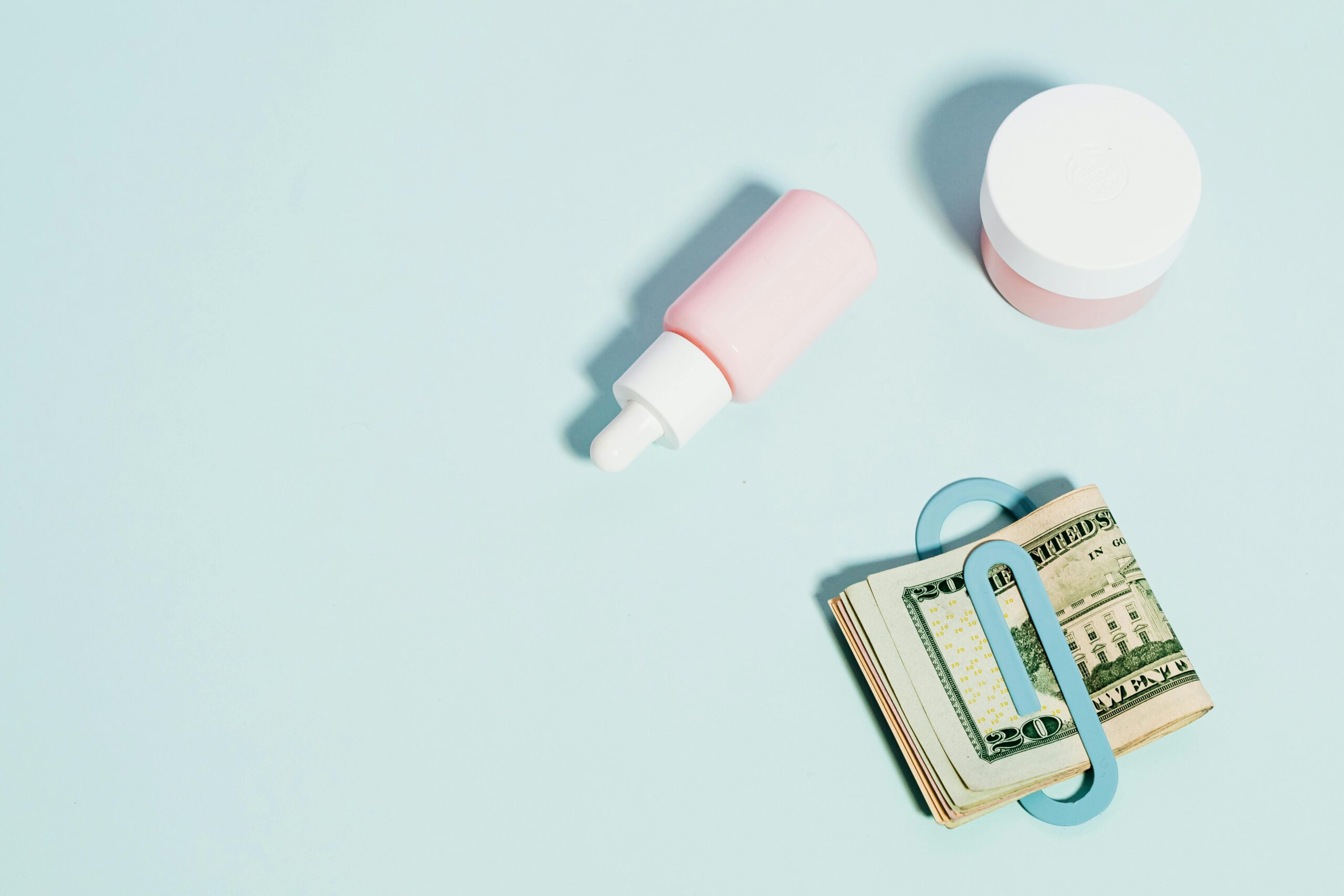
The ultimate benefit of budget minimalism is financial freedom. By spending less on possessions, you free resources for what truly matters—whether that’s eliminating debt, building savings, pursuing education, changing careers, or simply reducing financial stress.
Track the money you save through minimalist practices. Redirect these savings toward specific financial goals rather than allowing them to disappear into general spending. Watch as your debt decreases, savings grow, and financial anxiety diminishes.
Minimalism reveals that security comes not from accumulating more but from needing less. This perspective shift is perhaps the most valuable benefit of all—a changed relationship with money and possessions that serves you rather than enslaves you.
🌟 Embracing Your Unique Minimalist Path
Remember that your minimalist journey is personal. There’s no specific number of possessions you must reach or aesthetic you must achieve. Minimalism simply means removing what doesn’t serve you so what matters can shine through.
Some people thrive with very few possessions in small spaces. Others practice minimalism in larger homes with more things, but everything present serves a clear purpose. Neither approach is more valid—what matters is whether your environment supports the life you want to live.
Start small, be patient with yourself, and celebrate progress rather than pursuing perfection. Each item removed, each unnecessary purchase avoided, and each space simplified moves you toward a life of greater intention, freedom, and peace.
Budget minimalism proves you don’t need money to create a beautiful, functional, peaceful home. You simply need clarity about what matters and the courage to let go of everything else. The simpler lifestyle you’re creating costs less, stresses less, and ultimately offers more—more space, more time, more freedom, and more alignment with your authentic values and priorities.