
In a world overflowing with noise, clutter, and endless obligations, the path to true wellness often lies not in doing more, but in embracing less. Minimalist wellness practices offer a refreshing antidote to modern chaos.

The beauty of minimalist wellness is that it strips away the complicated routines, expensive equipment, and overwhelming advice that often prevent us from taking care of ourselves. By focusing on simple, sustainable practices, you can transform your physical health, mental clarity, and emotional balance without adding stress to your already full plate. This approach recognizes that wellness doesn’t require perfection—it requires consistency with practices that genuinely serve you.
🌿 The Philosophy Behind Minimalist Wellness
Minimalist wellness isn’t about deprivation or extreme restriction. Instead, it’s a thoughtful approach to self-care that prioritizes quality over quantity and intentionality over complexity. This philosophy acknowledges that our bodies and minds thrive on simplicity, rhythm, and practices that feel natural rather than forced.
At its core, minimalist wellness asks a fundamental question: what truly serves my well-being? By removing the unnecessary layers of complicated health trends and returning to basics, you create space for sustainable habits that actually stick. This approach respects your time, energy, and resources while delivering meaningful results.
The minimalist wellness movement also challenges the consumer-driven health industry that constantly promotes new supplements, gadgets, and programs. While some tools can be helpful, true wellness rarely requires purchasing the latest trend. Instead, it flourishes when we tune into our bodies’ inherent wisdom and meet our needs with simple, accessible practices.
Starting Your Morning with Intentional Simplicity ☀️
Your morning routine sets the tone for your entire day, yet many people rush through these precious hours in a state of chaos. A minimalist morning practice doesn’t require waking at dawn or following an elaborate ritual—it simply means creating a few intentional moments before the day’s demands take over.
Begin with hydration. After hours of sleep, your body craves water. Keep a glass or reusable bottle by your bedside and drink it upon waking. This single action jumpstarts your metabolism, supports cognitive function, and helps flush toxins. No special alkaline water or expensive supplements needed—just pure, simple hydration.
Follow this with five minutes of mindful breathing or gentle stretching. You don’t need a yoga mat, instructor, or specific routine. Simply notice your breath, feel your body, and move in ways that feel good. This practice grounds you in the present moment and creates a buffer between sleep and the day’s activities.
The Power of a Simplified Breakfast
Breakfast confusion leads many people to skip this important meal or grab something processed. A minimalist approach means having two or three simple, nourishing options you enjoy and can prepare quickly. Perhaps it’s oatmeal with fruit, eggs with vegetables, or a smoothie with whole ingredients. By limiting choices, you eliminate decision fatigue while ensuring proper nutrition.
The key is consistency without monotony. Rotate between your simple options throughout the week, and focus on whole foods that provide sustained energy. This approach prevents the overwhelm of recipe hunting while keeping your body properly fueled.
Movement That Fits Your Life, Not the Other Way Around 🏃
The fitness industry often promotes the idea that effective exercise requires gym memberships, specialized equipment, or hour-long sessions. Minimalist wellness recognizes that movement is medicine, but it doesn’t need to be complicated or time-consuming to be effective.
Walking remains one of the most underrated wellness practices available. It requires no equipment, can be done almost anywhere, and provides cardiovascular benefits, mental clarity, and connection with your environment. Aim for daily walks, even if just for 15-20 minutes. The consistency matters more than the duration or intensity.
Bodyweight exercises offer another minimalist approach to fitness. Push-ups, squats, planks, and lunges require nothing but your own body and a small amount of space. These fundamental movements build strength, improve balance, and support functional fitness for daily activities. A 15-minute routine performed regularly yields better results than sporadic gym sessions.
Creating Micro-Movement Habits
Rather than viewing exercise as something separate from daily life, integrate movement throughout your day. Take stairs instead of elevators. Stand while talking on the phone. Stretch during commercial breaks or between work tasks. These micro-movements accumulate, keeping your body active without requiring dedicated workout time.
The minimalist approach also honors rest. You don’t need to exercise intensely every day. Listen to your body’s signals and incorporate gentler movement or complete rest when needed. This prevents burnout and supports long-term consistency.
Nourishment Without Complexity 🥗
Diet culture has transformed eating into a complicated science project filled with contradictory advice and restrictive rules. Minimalist wellness returns to eating’s fundamental purpose: nourishing your body with foods that make you feel good.
Focus on whole foods that are as close to their natural state as possible. Vegetables, fruits, whole grains, legumes, nuts, seeds, and quality proteins form the foundation of a simple, nourishing diet. These foods don’t require ingredient lists because they are ingredients themselves.
Meal planning doesn’t need to be elaborate. Choose a protein, a vegetable, and a healthy carbohydrate for most meals. This simple formula ensures balanced nutrition without overwhelming meal preparation. Batch cooking one or two components on weekends can simplify weeknight dinners without requiring hours in the kitchen.
The Art of Mindful Eating
How you eat matters as much as what you eat. Minimalist wellness encourages eating without distraction—no screens, no working, just you and your food. This practice enhances digestion, helps you recognize fullness cues, and transforms eating from a rushed obligation into a pleasurable, grounding experience.
Pay attention to hunger and fullness rather than external rules about when and how much to eat. This intuitive approach reduces food anxiety and helps you develop a trusting relationship with your body’s signals. Over time, this becomes more reliable than any diet plan.
Mental Clarity Through Simplified Practices 🧠
Mental wellness doesn’t require expensive therapy apps or complex meditation programs, though these can be helpful for some. Simple practices performed consistently often yield the most profound results for mental clarity and emotional balance.
Journaling provides a minimalist tool for processing thoughts and emotions. You don’t need special journals or prompts—just a notebook and pen. Write freely for five to ten minutes each day, allowing whatever thoughts arise to flow onto the page. This practice clears mental clutter and provides perspective on recurring patterns.
Single-tasking represents another powerful mental wellness practice in our multitasking culture. Choose one activity and give it your full attention, whether that’s washing dishes, having a conversation, or completing a work task. This focused attention reduces stress, improves performance, and cultivates presence.
Digital Minimalism for Mental Space
Your digital environment significantly impacts mental wellness. Creating boundaries with technology doesn’t require going completely offline, but it does mean being intentional about your relationship with devices and platforms.
Establish phone-free times during your day, perhaps during meals, the first hour after waking, and the last hour before sleep. Remove unnecessary apps that don’t serve your well-being or goals. Disable non-essential notifications that fragment your attention throughout the day.
Curate your social media feeds deliberately, following accounts that inspire, educate, or genuinely connect you with others while unfollowing those that trigger comparison, anxiety, or waste your time. This digital decluttering creates mental space and reduces the constant stimulation that fragments attention.
Sleep: The Foundation of Minimalist Wellness 😴
Quality sleep might be the most important wellness practice, yet it’s often overlooked in favor of more exciting interventions. A minimalist approach to sleep hygiene focuses on a few key practices that dramatically improve rest quality.
Consistency matters most. Going to bed and waking at roughly the same time each day—even on weekends—regulates your circadian rhythm and improves sleep quality. Your body thrives on predictable patterns, and sleep-wake consistency provides that foundation.
Create a simple wind-down routine that signals to your body that sleep is approaching. This might include dimming lights, avoiding screens for 30-60 minutes before bed, light stretching, or reading. The specific activities matter less than the consistency of the routine.
Optimizing Your Sleep Environment
Your bedroom should support rest. Keep it cool, dark, and quiet. Remove work materials, screens, and clutter that activate your mind. This doesn’t require expensive blackout curtains or white noise machines—simple adjustments like moving your phone charger to another room or using a fan for air circulation can significantly improve sleep quality.
If you struggle with racing thoughts at bedtime, keep a notepad nearby to quickly jot down concerns or tasks. This externalizes worries from your mind to paper, allowing you to release them until morning. The act of writing provides closure that helps you transition into rest.
Connection and Community in Simple Ways 💚
Human connection forms a crucial component of overall wellness, yet modern life often isolates us despite constant digital contact. Minimalist approaches to relationships focus on depth over breadth—cultivating a few meaningful connections rather than maintaining numerous superficial ones.
Schedule regular, simple time with people who energize you. This doesn’t require elaborate plans or expensive activities. A weekly walk with a friend, monthly dinners with family, or phone calls with distant loved ones provide connection without complication.
Practice presence in your relationships by giving people your full attention when together. Put your phone away, make eye contact, and listen actively. These simple behaviors strengthen bonds more effectively than grand gestures or frequent contact lacking depth.
Nature as Your Wellness Sanctuary 🌳
Time in nature provides profound wellness benefits that don’t cost anything and require no special equipment. Regular exposure to natural environments reduces stress hormones, lowers blood pressure, improves mood, and enhances immune function.
You don’t need wilderness adventures or exotic locations. Local parks, gardens, or even tree-lined streets provide nature connection. Aim for at least 20 minutes outdoors daily, noticing the sky, trees, weather, and seasonal changes. This practice grounds you in something larger than daily concerns while providing physical and mental restoration.
If you have outdoor space, consider growing something—herbs on a windowsill, vegetables in containers, or flowers in a small garden. The act of nurturing plants connects you with natural cycles while providing purposeful activity that soothes the nervous system.
Breathing: Your Most Accessible Wellness Tool 🌬️
Your breath provides a constant companion and powerful wellness tool that’s always available, requires no equipment, and can be practiced anywhere. Simple breathing practices regulate your nervous system, reduce stress, and improve mental clarity.
The 4-7-8 breath offers a straightforward technique: inhale for four counts, hold for seven, exhale for eight. This pattern activates your parasympathetic nervous system, promoting calm and relaxation. Practice this before stressful situations, at bedtime, or anytime you need to reset.
Box breathing provides another simple technique: inhale for four counts, hold for four, exhale for four, hold for four. Repeat for several rounds. This balanced breathing pattern enhances focus and reduces anxiety, making it useful before important tasks or during challenging moments.
Letting Go of Perfectionism in Your Wellness Journey ✨
Perhaps the most important aspect of minimalist wellness is releasing the need for perfection. You won’t practice every habit daily. Some weeks will be more challenging than others. This is normal and expected—wellness is a practice, not a destination.
Rather than pursuing an ideal version of health, focus on consistency with practices that genuinely serve you. Missing a day doesn’t erase your progress. What matters is returning to your simple practices without judgment or self-criticism.
Track your wellness minimally, if at all. Rather than counting steps, calories, or minutes, notice how you feel. Do you have more energy? Better mood? Improved sleep? These qualitative measures matter more than quantitative data and keep you connected to the internal experience of wellness rather than external metrics.
Building Your Personal Minimalist Wellness Practice 🎯
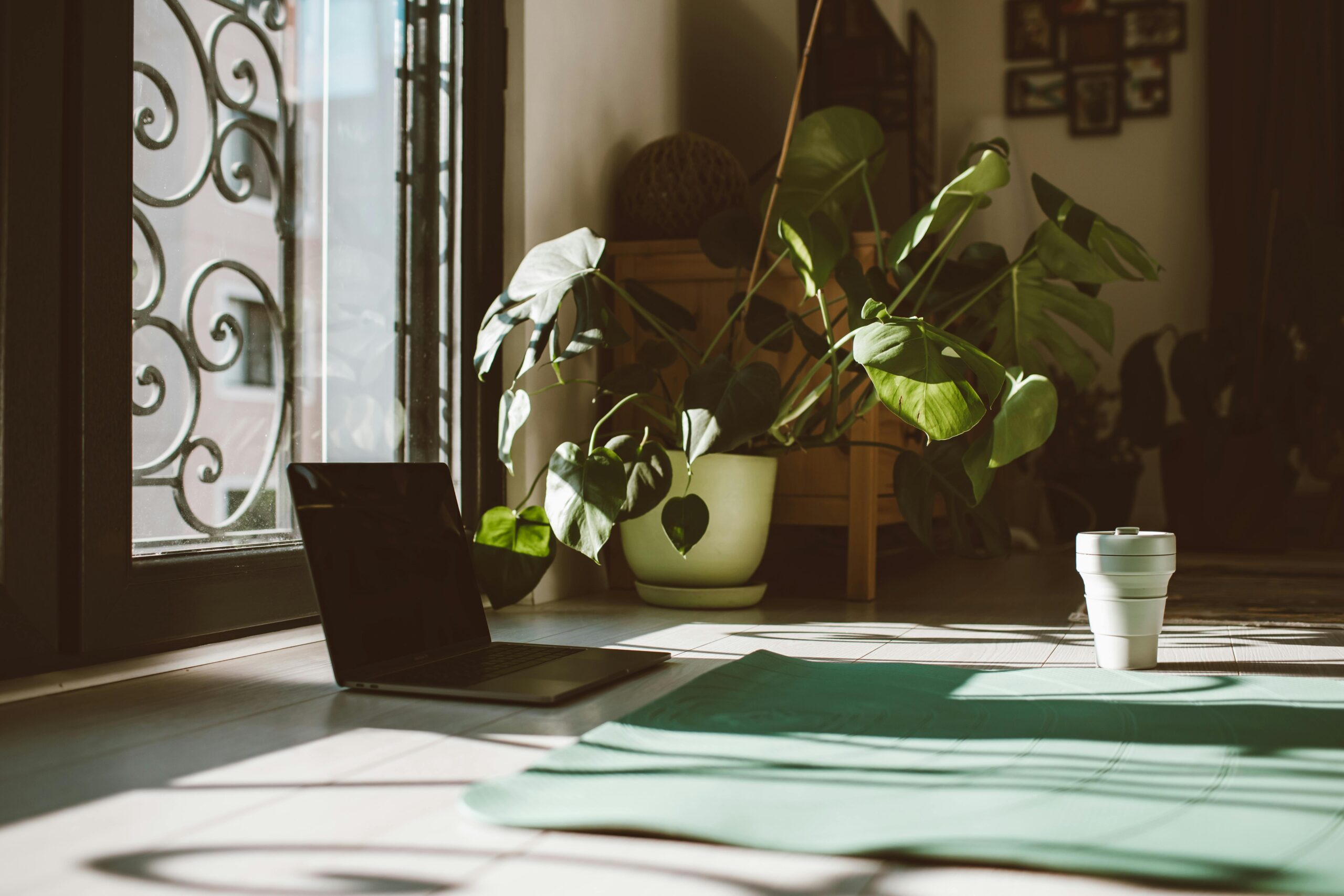
Creating your own minimalist wellness practice begins with identifying what truly matters for your well-being. Start with three simple practices you can realistically maintain—perhaps morning hydration, daily walking, and consistent sleep times. Master these before adding anything else.
Once these habits feel natural, you might add another simple practice. But resist the urge to complicate your routine. The power lies in doing a few things consistently rather than attempting everything sporadically. Your wellness practice should feel sustainable, not overwhelming.
Remember that minimalist wellness looks different for everyone. Honor your unique needs, preferences, and circumstances rather than following someone else’s formula. The best wellness practice is one you’ll actually maintain, and that requires alignment with your life, values, and personality.
By embracing simplicity in your wellness journey, you create space for practices that truly transform your life. These effortless habits compound over time, supporting physical health, mental clarity, and emotional balance without adding stress or complexity. In releasing the need for elaborate routines and expensive solutions, you discover that the most powerful wellness tools were available all along—simple, accessible, and waiting for your attention.