
The modern remote workspace is more than just a desk and a laptop—it’s an opportunity to align your daily productivity with environmental responsibility. Creating an eco-friendly home office isn’t just beneficial for the planet; it directly impacts your focus, energy levels, and overall work satisfaction.

As remote work becomes the norm rather than the exception, millions of professionals worldwide are rethinking how they organize their workspaces. This shift presents a unique opportunity to build work environments that honor both personal productivity and planetary health, transforming the way we approach our professional lives from the comfort of home.
🌱 Understanding the Environmental Impact of Remote Work
Remote work offers significant environmental advantages over traditional office settings, but it’s not automatically sustainable. While eliminating daily commutes reduces carbon emissions substantially, home offices can become energy-intensive spaces if not thoughtfully designed. The average home office worker uses between 30-50% more household energy than before remote work adoption, primarily through electronics, heating, cooling, and lighting.
Understanding your workspace’s environmental footprint is the first step toward transformation. Consider factors like electricity consumption, waste generation, water usage, and the lifecycle of products you bring into your workspace. Every decision—from the chair you sit in to how you illuminate your desk—carries environmental consequences that extend far beyond your immediate surroundings.
Rethinking Your Workspace Layout for Natural Efficiency
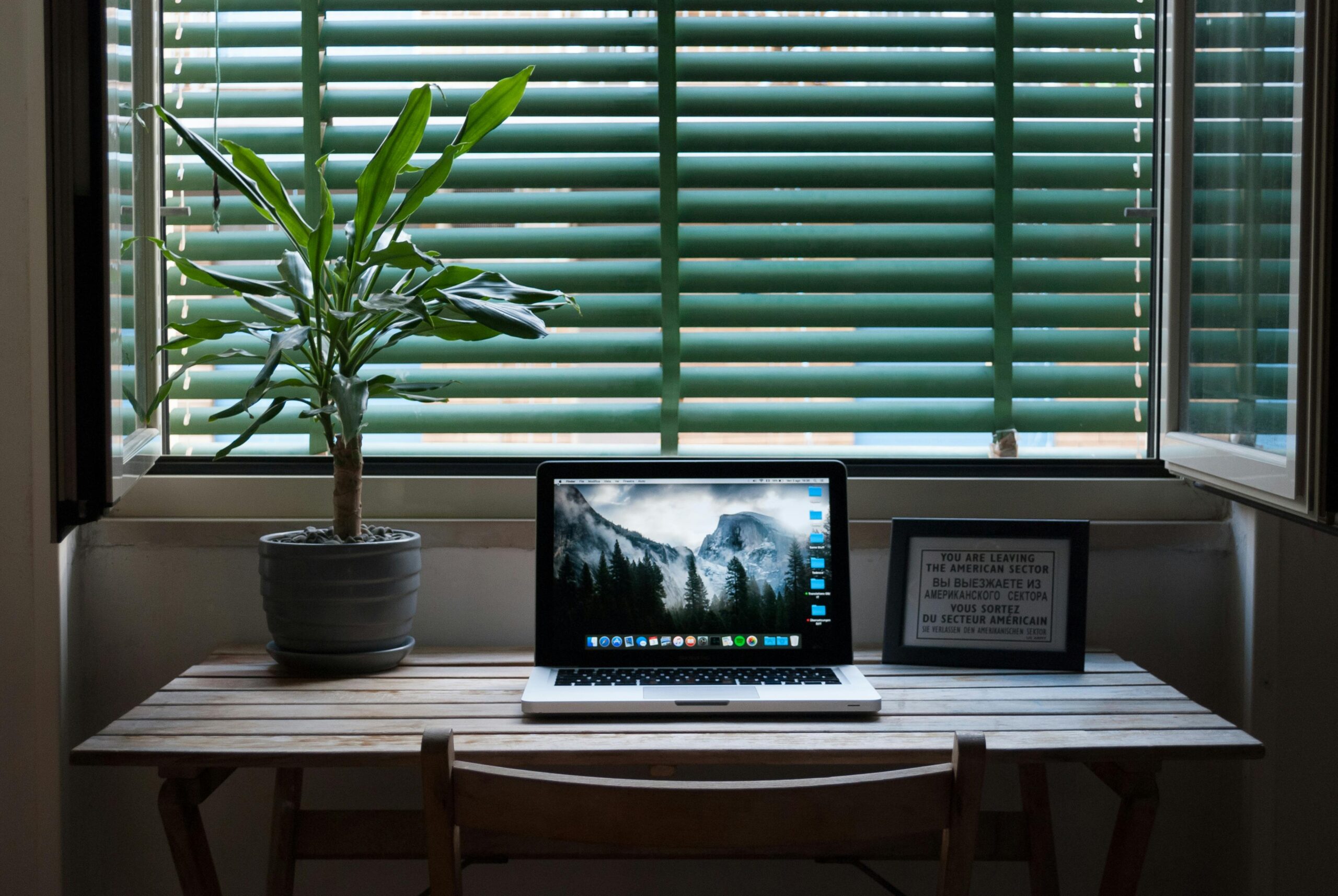
The strategic positioning of your workspace can dramatically reduce energy consumption while boosting productivity. Placing your desk near windows maximizes natural light, reducing dependence on artificial lighting during daylight hours. This simple adjustment can cut lighting energy use by up to 75% while providing the full-spectrum light that enhances mood and concentration.
Natural light exposure also regulates circadian rhythms, improving sleep quality and daytime alertness. Position your monitor perpendicular to windows to minimize glare while maintaining ambient illumination. During colder months, proximity to south-facing windows provides passive solar heating, while summer requires consideration of heat gain and potential need for light-filtering window treatments made from sustainable materials.
Temperature Control Through Passive Design
Heating and cooling account for nearly 40% of home energy consumption. Strategic workspace placement can leverage your home’s natural thermal properties. Rooms with good insulation, away from drafty areas, require less temperature adjustment. Consider using a small, energy-efficient space heater for your immediate workspace rather than heating an entire home during work hours.
Thermal curtains, draft stoppers, and proper insulation create comfortable work environments without excessive energy use. In warmer climates, ceiling fans or desk fans provide air circulation at a fraction of air conditioning costs. These passive cooling strategies maintain comfort while significantly reducing your carbon footprint.
⚡ Choosing Energy-Efficient Technology and Equipment
Technology forms the backbone of remote work, making equipment choices critical for sustainability. Energy Star certified devices use 20-30% less energy than standard models, translating to significant savings over their lifespan. When purchasing laptops, monitors, printers, and other equipment, prioritize models with strong energy efficiency ratings and long expected lifespans.
Laptops consume substantially less energy than desktop computers—typically 50-80% less—making them the preferred choice for eco-conscious remote workers. Modern laptops offer comparable performance to desktops for most professional tasks. If desktop power is necessary, pair an energy-efficient mini PC with an Energy Star monitor to minimize consumption.
Smart Power Management Strategies
Even the most efficient equipment wastes energy when left in standby mode. Phantom power draw—electricity consumed by devices when switched off but still plugged in—accounts for 5-10% of residential energy use. Smart power strips automatically cut power to peripherals when your primary device shuts down, eliminating this waste effortlessly.
Implement aggressive power management settings on all devices. Configure computers to sleep after brief periods of inactivity, dim displays when appropriate, and completely shut down at day’s end rather than leaving devices in sleep mode overnight. These habits, while seemingly small, compound into substantial energy savings across months and years.
Sustainable Furniture and Materials Selection 🪑
The furniture populating your workspace carries environmental implications extending from raw material extraction through manufacturing, transport, use, and eventual disposal. Prioritize furniture made from sustainably harvested wood certified by the Forest Stewardship Council, or better yet, seek second-hand pieces that extend existing products’ lifecycles while avoiding new manufacturing impacts.
Ergonomic furniture isn’t just about comfort—it’s about longevity. High-quality, ergonomically designed chairs and desks last decades rather than years, reducing replacement frequency and associated environmental costs. Consider adjustable standing desks made from bamboo or reclaimed wood, materials that combine sustainability with durability and aesthetic appeal.
Non-Toxic and Natural Material Priorities
Many conventional office furniture pieces off-gas volatile organic compounds from finishes, adhesives, and synthetic materials. These chemicals compromise indoor air quality, affecting health and cognitive function. Choose furniture with low-VOC or zero-VOC finishes, natural fiber upholstery, and solid wood construction over particleboard with formaldehyde-based adhesives.
Natural materials like cork, bamboo, organic cotton, and natural latex provide sustainable alternatives to petroleum-based products. Cork desk pads, bamboo organizers, and natural fiber storage baskets bring functional beauty to workspaces while aligning with environmental values. These materials are renewable, biodegradable, and often locally sourced, reducing transportation impacts.
Implementing Zero-Waste Office Practices
The shift to digital work dramatically reduces paper consumption, but true zero-waste requires intentional practice. Examine every aspect of your workflow for waste generation opportunities. Digital document management, electronic signatures, and cloud-based collaboration tools eliminate most paper needs entirely.
When printing is unavoidable, use both sides of recycled content paper and maintain a designated scrap paper collection for notes and drafts. Refillable pens, mechanical pencils, and rechargeable batteries replace disposable alternatives. Instead of sticky notes, digital task management applications offer superior organization without paper waste.
Mindful Consumption and Reusable Solutions
Coffee breaks and snacks throughout the workday create surprising waste streams. Replace disposable cups, plates, and utensils with reusable alternatives kept at your desk. A quality insulated mug maintains beverage temperature while eliminating disposable cup waste. Glass or stainless steel food containers replace plastic wrap and disposable packaging for meals and snacks.
Purchasing decisions should emphasize durability and repairability over convenience and cost. Quality products with replaceable components last significantly longer than cheap disposables, ultimately saving money while reducing environmental impact. This mindset shift—from disposable convenience to durable investment—fundamentally transforms workspace sustainability.
🌿 Incorporating Living Elements for Air Quality and Well-being
Indoor plants serve multiple functions in eco-friendly workspaces, improving air quality, increasing humidity, reducing stress, and enhancing aesthetic appeal. NASA research identified numerous houseplants that effectively filter common indoor air pollutants like formaldehyde, benzene, and trichloroethylene, making them functional as well as decorative.
Snake plants, pothos, spider plants, and peace lilies thrive in typical indoor conditions while actively cleaning the air you breathe throughout your workday. These low-maintenance varieties tolerate varying light conditions and occasional watering neglect, making them ideal for busy professionals. Position plants strategically around your workspace to maximize both visual impact and air purification benefits.
Biophilic Design Principles
Biophilic design—incorporating natural elements into built environments—demonstrably enhances creativity, reduces stress, and improves cognitive function. Beyond living plants, this approach includes natural materials, nature-inspired patterns, natural color palettes, and views of outdoor spaces. These elements create psychological connections to nature that humans innately crave, especially important when working indoors for extended periods.
Even small touches like natural wood desk accessories, stone paperweights, or nature photography create beneficial biophilic connections. Water features, when energy-efficient, add soothing ambient sound while increasing humidity in dry indoor environments. These elements transform sterile home offices into nurturing spaces that support both productivity and well-being.
Optimizing Digital Sustainability Practices 💻
Digital work isn’t immaterial—data centers powering cloud services, streaming, and online collaboration consume enormous energy quantities. Every email stored indefinitely, every duplicated file in cloud storage, and every auto-playing video contributes to this digital carbon footprint. Practicing digital minimalism reduces this impact while often improving organizational efficiency.
Regularly archive or delete unnecessary emails, avoiding the “save everything” approach that burdens data centers with redundant storage. Unsubscribe from unwanted mailing lists, reducing both clutter and the energy required to transmit, store, and filter unwanted messages. Compress large files before cloud storage or transmission, and delete duplicates systematically.
Sustainable Communication and Collaboration Tools
Video conferencing consumes significantly more bandwidth and energy than audio calls or text-based communication. When video isn’t essential for communication effectiveness, choosing audio alternatives reduces your digital footprint. When video is necessary, turning off cameras during portions of meetings when visual communication isn’t required can reduce data transmission by up to 96%.
Select collaboration platforms and service providers committed to renewable energy and carbon neutrality. Many major tech companies now power data centers with renewable energy and implement aggressive efficiency measures. Your choice of services sends market signals about consumer priorities, encouraging broader industry sustainability adoption.
Creating Sustainable Work Routines and Habits ♻️
Eco-friendly workspaces extend beyond physical elements to encompass daily habits and routines. Establishing clear work boundaries prevents unnecessary heating, cooling, and lighting of workspace areas outside actual work hours. When the workday ends, completely power down equipment and turn off dedicated workspace lighting, creating both energy savings and psychological separation between work and personal time.
Batch similar tasks to minimize equipment use time. Rather than keeping printers, scanners, or other peripherals in standby mode all day, activate them only when needed for grouped tasks. This approach reduces both energy consumption and the mental fragmentation of constant task-switching, enhancing productivity alongside sustainability.
Mindful Break Practices
Regular breaks benefit both personal well-being and environmental goals. Step away from your workspace during breaks, allowing computers to enter sleep mode and giving your eyes rest from screen exposure. Use break time for brief outdoor walks, connecting with nature while your workspace equipment powers down. This practice refreshes mental energy while demonstrating that productivity and sustainability are complementary, not competing, priorities.
Meal and coffee breaks offer opportunities to reinforce sustainable habits. Prepare food in batches to minimize daily cooking energy use, choose locally sourced and plant-forward ingredients to reduce food-related carbon footprints, and compost food scraps when possible. These practices extend workspace sustainability into adjacent life areas, creating holistic environmental consciousness.
Measuring and Celebrating Your Environmental Impact 📊
What gets measured gets managed. Tracking your eco-friendly workspace’s environmental impact provides motivation and identifies improvement opportunities. Simple energy monitors show real-time electricity consumption, revealing which devices draw the most power and when. Many utilities now offer detailed energy usage data through online portals, allowing you to observe how workspace changes affect overall household consumption.
Calculate your carbon footprint reduction from eliminated commuting, reduced office building energy use, and conscious workspace choices. Online calculators provide estimates of environmental benefits from specific actions. Quantifying these impacts—tons of CO2 avoided, kilowatt-hours saved, waste diverted from landfills—transforms abstract environmental concern into concrete, celebrated achievements.
🌍 The Ripple Effect: Inspiring Others and Advocating for Change
Your eco-friendly workspace creates ripple effects beyond personal environmental benefits. Colleagues, friends, and family who see or hear about your sustainable practices often feel inspired to implement similar changes. Share your experiences, challenges, and successes through social media, workplace communications, or casual conversations, normalizing environmental consciousness in professional contexts.
Advocate within your organization for policies supporting sustainable remote work. Propose equipment purchase guidelines prioritizing energy efficiency, suggest digital-first workflows to minimize printing, or recommend sustainability-focused vendors for office supplies. Individual actions matter, but systemic changes multiply impact exponentially across entire organizations.
Continuous Improvement and Adaptation
Creating an eco-friendly workspace isn’t a one-time project but an ongoing journey of learning, experimentation, and refinement. Stay informed about emerging sustainable technologies, materials, and practices. What seems impossible or impractical today may become accessible tomorrow as innovation advances and costs decrease.
Regularly reassess your workspace through a sustainability lens. Are there new opportunities to reduce energy consumption? Could different materials replace less sustainable options? Has your work style evolved in ways that enable new eco-friendly approaches? This continuous improvement mindset ensures your workspace remains aligned with both current best practices and your evolving environmental values.
Embracing the Transformation Journey 🚀
Transforming your remote workspace into an eco-friendly haven represents a powerful convergence of personal productivity, environmental stewardship, and intentional living. Each sustainable choice—from energy-efficient equipment to zero-waste practices, from biophilic design to mindful digital habits—contributes to both immediate workspace quality and long-term planetary health.
This transformation need not happen overnight. Start with changes that resonate most strongly with your values and circumstances, building momentum through small victories. As sustainable practices become habitual, their cumulative impact grows exponentially. Your workspace becomes not just a place of professional productivity but a daily expression of your commitment to a more sustainable future.
The remote work revolution offers unprecedented opportunity to reimagine professional spaces aligned with ecological values. By embracing this opportunity, you join a growing movement of conscious professionals proving that productivity and sustainability aren’t competing priorities but complementary values that enhance each other. Your eco-friendly workspace becomes a model demonstrating that the future of work can honor both human potential and planetary limits, creating abundance without exploitation, productivity without waste, and success measured not just in output but in positive impact on the world we all share.