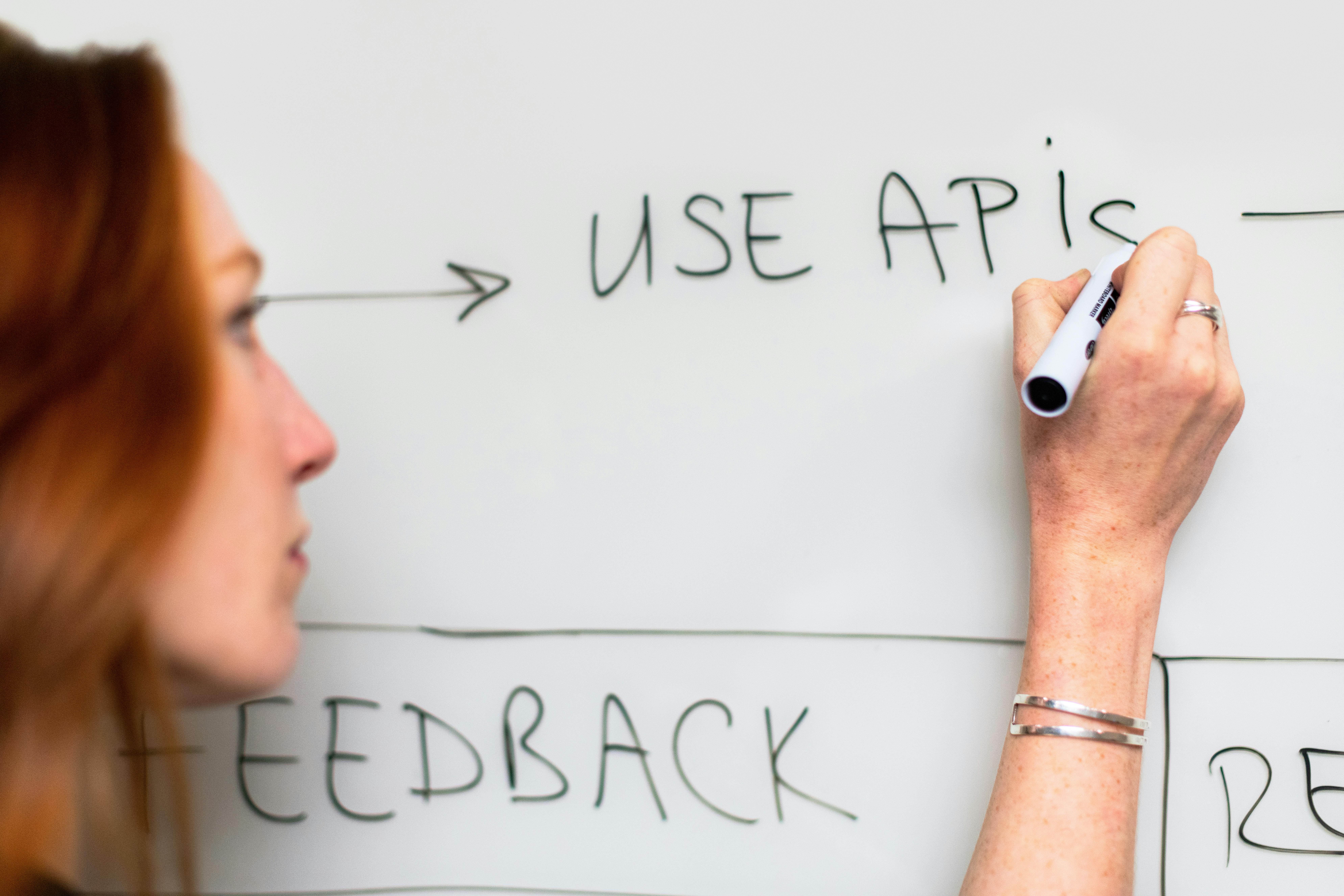
The freelance lifestyle offers incredible freedom, but without intentional habits, it can quickly lead to burnout and instability. Building sustainable practices is essential for anyone seeking to thrive in this independent career path.

Freelancing has transformed from a side hustle into a legitimate career choice for millions worldwide. Yet, the allure of flexibility often masks the challenges that come with self-employment. Without the structure of traditional employment, freelancers must create their own systems for success. The difference between those who flourish and those who struggle often comes down to the habits they cultivate. These habits determine not just financial outcomes, but also mental health, relationships, and overall life satisfaction.
🎯 Building Your Foundation: The Mindset Shift
Transitioning to sustainable freelancing requires a fundamental mindset transformation. Unlike traditional employment where structures are provided, freelancers must become architects of their own professional lives. This shift begins with recognizing that you’re not just a service provider—you’re running a business.
The entrepreneurial mindset means taking full responsibility for outcomes while maintaining resilience through inevitable ups and downs. Successful freelancers view challenges as learning opportunities rather than failures. They understand that sustainable success isn’t built overnight but through consistent, deliberate actions repeated over time.
This perspective also means investing in yourself as your most valuable asset. Your skills, reputation, and well-being directly impact your earning potential and career longevity. When you internalize this truth, decisions about professional development, health, and boundaries become clearer and non-negotiable.
⏰ Time Management: Your Most Precious Resource
Time becomes both your greatest asset and biggest challenge as a freelancer. Without imposed schedules, the temptation to either overwork or procrastinate becomes real. Mastering time management separates thriving freelancers from struggling ones.
Creating Structure Without Rigidity
Establishing a consistent daily routine provides the framework for productivity while allowing flexibility when needed. Wake up at roughly the same time each day, even if you’re not meeting clients. This regularity signals to your brain when it’s time to work and when it’s time to rest.
Block scheduling transforms how you approach your workday. Dedicate specific time blocks to different activities: client work, marketing, administration, and professional development. This prevents the mental fatigue that comes from constantly switching contexts and ensures important-but-not-urgent tasks don’t get neglected.
Time tracking tools help you understand where your hours actually go versus where you think they go. This awareness is crucial for accurate project estimates, identifying time-wasting activities, and justifying your rates to clients. Apps like Toggl or Clockify can provide invaluable insights into your productivity patterns.
The Power of Strategic Breaks
Counterintuitively, taking regular breaks enhances productivity rather than diminishing it. The Pomodoro Technique—working in focused 25-minute intervals with 5-minute breaks—leverages your brain’s natural attention cycles. After four pomodoros, take a longer 15-30 minute break to fully recharge.
Don’t underestimate the value of stepping away from screens entirely. A brief walk, stretching routine, or even household chore provides mental refreshment that staring at social media cannot. These breaks prevent the cognitive fatigue that leads to diminishing returns on time invested.
💰 Financial Sustainability: Beyond the Next Paycheck
Financial instability ranks among the top stressors for freelancers. Unlike salaried employees with predictable income, freelancers face variable cash flow that requires strategic planning and discipline.
Building Your Financial Safety Net
An emergency fund isn’t optional for freelancers—it’s essential infrastructure. Aim to save 3-6 months of living expenses before reducing other income sources. This buffer protects you from accepting unsuitable projects out of desperation and provides peace of mind during slow periods.
Start small if necessary. Even setting aside 10% of each payment builds momentum and creates the savings habit. Automate transfers to a separate savings account immediately upon receiving payment, treating it like a non-negotiable expense.
Pricing Yourself for Sustainability
Many freelancers undervalue their services, creating unsustainable business models. Calculate your desired annual income, factor in business expenses, taxes (typically 25-30% for self-employed individuals), health insurance, retirement contributions, and paid time off. Divide this by billable hours (not total work hours) to determine your minimum hourly rate.
Value-based pricing often serves freelancers better than hourly rates. When you price based on the outcome you deliver rather than time invested, you’re rewarded for efficiency and expertise rather than penalized for them. This approach also aligns your interests with clients’ interests—they care about results, not hours.
Diversifying Income Streams
Relying on a single client or income source creates vulnerability. Sustainable freelancing involves cultivating multiple revenue streams. This might include retainer clients for predictable income, project-based work for higher earnings potential, passive income from digital products, and occasional teaching or consulting.
Diversification doesn’t mean pursuing every opportunity. Instead, identify 2-4 complementary income sources that leverage your existing skills and serve your target market. This strategic approach builds resilience without overwhelming you.
🤝 Client Relationships: Quality Over Quantity
Your client roster significantly impacts your work-life balance and sustainability. Toxic client relationships drain energy and motivation, while positive partnerships energize and inspire your best work.
Selecting Clients Strategically
Not every potential client deserves a “yes.” Develop clear criteria for ideal clients: they respect your expertise, communicate clearly, pay on time, and align with your values. When proposals arrive, evaluate them against these criteria rather than accepting everything from financial anxiety.
Red flags during initial conversations often predict future problems. Clients who negotiate aggressively before work begins, show disrespect for your time, or have unrealistic expectations rarely improve once engaged. Trust your intuition—it’s usually right.
Setting and Maintaining Boundaries
Clear boundaries protect your time, energy, and personal life. Communicate your working hours explicitly and stick to them except for genuine emergencies. Establish response time expectations—you don’t need to reply to emails within minutes unless you’ve committed to that service level.
Scope creep destroys profitability and creates resentment. Define project parameters clearly in contracts and refer back to them when clients request additions. Offer to incorporate new requests as additional work at your standard rates rather than absorbing them as freebies.
🧘 Protecting Your Mental and Physical Health
Burnout represents one of the greatest threats to freelance sustainability. Without employer-mandated vacation days or colleagues to notice when you’re struggling, you must proactively safeguard your well-being.
Recognizing Burnout Warning Signs
Burnout develops gradually, making it difficult to recognize until it’s severe. Warning signs include chronic exhaustion that sleep doesn’t resolve, cynicism about work you once enjoyed, difficulty concentrating, increased irritability, and physical symptoms like headaches or digestive issues.
Regular self-assessment helps catch burnout early. Weekly check-ins asking “How am I really feeling?” and “What do I need?” create awareness before problems escalate. When you notice warning signs, take immediate action rather than pushing through.
Non-Negotiable Self-Care Practices
Self-care isn’t selfish—it’s essential business infrastructure. Prioritize sleep by maintaining consistent bedtimes and creating restful sleep environments. Most adults need 7-9 hours nightly for optimal cognitive function and emotional regulation.
Physical movement combats the sedentary nature of many freelance careers. You don’t need intense workouts; regular walks, yoga, or dancing to your favorite music all count. The key is consistency rather than intensity.
Nutrition impacts energy levels and mental clarity. Meal planning prevents the default to fast food or skipped meals during busy periods. Prep simple, nutritious meals in batches so healthy eating remains convenient when deadlines loom.
Mental Health Maintenance
The isolation of freelancing can impact mental health. Intentionally cultivate connections through coworking spaces, professional associations, or online communities. These relationships provide support, reduce loneliness, and offer fresh perspectives on challenges.
Consider therapy or counseling as preventive maintenance rather than crisis intervention. Professional support helps process stress, develop coping strategies, and maintain perspective during difficult periods. Many therapists now offer telehealth options that fit freelance schedules.
📚 Continuous Learning and Adaptation
Industries evolve rapidly, and staying relevant requires ongoing skill development. Sustainable freelancing includes regular investment in learning that keeps you competitive and engaged.
Strategic Skill Development
Rather than chasing every trend, identify skills that complement your existing expertise and serve your target market’s evolving needs. Focus on capabilities with longevity and broad application rather than fleeting fads.
Allocate specific time for professional development—many successful freelancers dedicate 5-10 hours monthly to learning. This might include online courses, reading industry publications, attending virtual conferences, or experimenting with new tools and techniques.
Embracing Technology Mindfully
Technology can enhance productivity or create overwhelming complexity. Adopt tools that solve genuine problems rather than collecting apps because they’re trendy. Master the fundamentals of each tool before adding another to your stack.
Project management platforms like Trello, Asana, or Notion help organize tasks and track progress. Communication tools like Slack or Microsoft Teams facilitate client collaboration. Accounting software such as QuickBooks or FreshBooks simplifies financial management. Choose platforms that integrate well together to create a cohesive system.
🏡 Creating Work-Life Integration
The phrase “work-life balance” implies these domains must be perfectly balanced at all times. A more realistic approach is work-life integration—harmonizing professional and personal priorities in ways that shift based on current needs.
Defining Success on Your Terms
Freelancing allows you to design life according to your values rather than default societal expectations. Clarify what success actually means to you. Is it financial security? Creative freedom? Time with family? Travel opportunities? Impact through your work?
Your definition guides decisions about which projects to accept, how much to work, and what to prioritize. Without this clarity, you’ll drift toward others’ definitions and perpetually feel inadequate.
Scheduling Life, Not Just Work
If you only schedule work obligations, personal priorities get squeezed out. Calendar important personal activities—exercise, hobbies, social time, family events—with the same respect you show client meetings. These aren’t negotiable extras but essential components of sustainable living.
Establish clear transition rituals between work and personal time. This might include changing clothes, taking a short walk, or a brief meditation. These rituals signal to your brain that the workday has ended, helping you mentally disconnect and be present for personal life.
🚀 Planning for Long-Term Growth
Sustainable freelancing means thinking beyond today’s projects to build a career that evolves with you. This requires intentional planning and regular reassessment of your direction.
Annual Strategic Reviews
Dedicate time annually to evaluate your freelance business comprehensively. Review financial performance, client satisfaction, personal fulfillment, and alignment with long-term goals. Celebrate successes and identify areas requiring adjustment.
Ask yourself difficult questions: Are my current projects moving me toward my goals or just paying bills? Which clients energize me versus drain me? What skills should I develop next? How can I increase impact while maintaining or improving work-life integration?
Building Systems and Processes
Document your workflows and create templates for recurring tasks. This systematization increases efficiency, ensures consistency, and makes it easier to delegate or outsource as you grow. It also reduces mental load since you’re not reinventing processes repeatedly.
Consider what aspects of your business could eventually run without your direct involvement. This might include developing digital products, creating courses, or building affiliate partnerships. These moves toward passive income support long-term sustainability and eventual semi-retirement if desired.
💪 Resilience Through Uncertainty
Freelancing inherently involves uncertainty—fluctuating income, changing client needs, and evolving markets. Developing resilience helps you navigate challenges without losing momentum or motivation.
Reframe setbacks as feedback rather than failures. A lost client creates space for better opportunities. A rejected proposal teaches you to refine your pitch. A slow month encourages improved marketing. This growth mindset transforms obstacles into stepping stones.
Build flexibility into your business model. Multiple income streams, diverse client industries, and adaptable services protect you when specific sectors struggle. This agility allows you to pivot quickly when circumstances change.
Maintain perspective during difficult periods by remembering why you chose freelancing. Reconnect with your core motivations and values when challenges tempt you to abandon your independent path. Most freelance careers include rough patches—they’re normal, not indicators of failure.
🌟 Cultivating Your Support Network
Despite the independent nature of freelancing, success rarely happens in isolation. Strategic relationships provide support, opportunities, accountability, and inspiration.
Connect with other freelancers who understand the unique challenges you face. These peers offer emotional support during tough times and celebrate victories with genuine understanding. They also provide practical advice, referrals, and collaboration opportunities.
Mentorship accelerates growth in both directions. Seek guidance from experienced freelancers ahead of you on the path, and mentor newer freelancers behind you. Teaching clarifies your own knowledge while building valuable relationships and karma within your professional community.
Don’t neglect relationships outside your industry. Family and friends provide grounding, remind you of life beyond work, and offer perspectives unclouded by professional considerations. Nurture these connections intentionally since freelancing can create isolation if you’re not careful.

🎨 Finding Joy and Purpose in Your Work
Ultimately, sustainable freelancing must include fulfillment beyond financial success. When work feels meaningful and enjoyable, sustainability becomes natural rather than forced.
Regularly assess whether your projects align with your values and interests. If you’ve drifted toward work that pays well but drains your soul, strategically shift back toward meaningful projects. This might require short-term financial sacrifice but pays dividends in long-term sustainability.
Celebrate small wins rather than only acknowledging major milestones. Completed projects, positive client feedback, new skills mastered, and consistent execution of healthy habits all deserve recognition. These celebrations maintain motivation and remind you of progress during challenging periods.
Remember that your freelance journey is uniquely yours. Comparison with others’ highlight reels on social media breeds dissatisfaction and unrealistic expectations. Focus on your personal growth, aligned with your specific goals and values. This authentic path leads to genuine success and lasting satisfaction.
Mastering sustainable freelancing habits creates a career that supports your lifestyle rather than consuming it. Through intentional practices around time management, financial planning, client relationships, health protection, continuous learning, and work-life integration, you build a foundation for long-term success. The freedom and flexibility that attracted you to freelancing become sustainable realities rather than fleeting experiences. Your independent career transforms from a source of stress into a vehicle for creating the life you truly want.